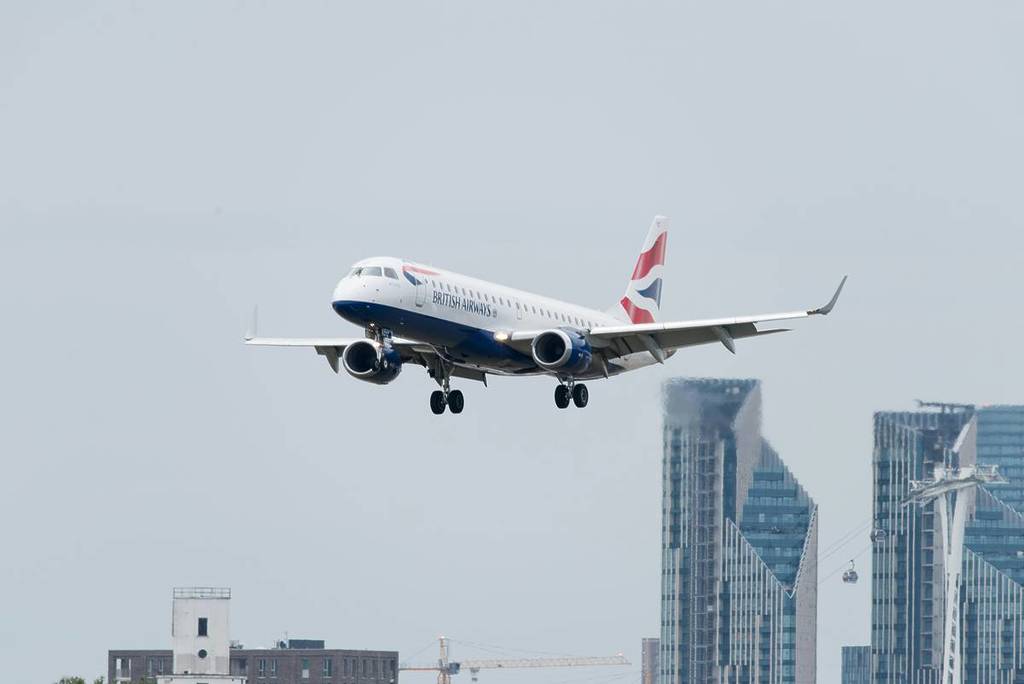

Airlines have scrapped more than 13,000 flights scheduled for May, triggering fresh concerns over travel disruption ahead of the busy half-term holiday period.
New data from aviation analytics firm Cirium shows carriers have removed close to two million seats from their schedules in just a fortnight, as the industry grapples with tightening jet fuel supplies.
Alongside outright cancellations, many airlines are also deploying smaller aircraft on key routes in a bid to conserve fuel.
Airlines have scrapped more than 13,000 flights during May half-term
The cuts come as a growing fuel crisis looms across Europe and the UK, driven by geopolitical tensions linked to the Iran conflict.
The closure of the Strait of Hormuz, a critical artery for global oil shipments has choked off roughly 20 per cent of supply, pushing jet fuel prices sharply higher.
Families planning half-term getaways later this month are among those most likely to be affected, with widespread disruption expected across major carriers including British Airways, Lufthansa, Air France and Turkish Airlines.
Airlines are already trimming schedules on less profitable routes, while maintaining services on high-demand corridors where fares have surged.
Lufthansa has cut around 20,000 short-haul flights this summer
Lufthansa has taken some of the most aggressive action so far, cutting around 20,000 short-haul flights from its summer timetable.
Further disruption could be on the horizon. The UK Government has temporarily suspended so-called “use it or lose it” airport slot rules, allowing airlines to cancel services without risking the loss of valuable take-off and landing rights.
The move is designed to give carriers flexibility, but it also opens the door to deeper cuts in the weeks ahead.
Although many UK airlines have been shielded in the short term through fuel hedging – locking in prices in advance and those protections are beginning to wear off. As contracts expire, operators will become increasingly exposed to volatile market rates.
Britain also faces a structural disadvantage. With limited domestic refining capacity and a heavy reliance on imported fuel, analysts warn the UK is particularly vulnerable to shortages.
Goldman Sachs has flagged a “significant risk” of jet fuel rationing this summer, noting the country’s dependence on overseas supply.
Emergency reserves remain relatively modest. At the end of 2025, the UK held around one million tonnes of jet fuel, a fraction of the roughly 12 million tonnes consumed annually.
In response, Energy Minister Michael Shanks has instructed refineries to maximise jet fuel production as part of contingency planning.
However, industry observers warn that supply constraints could still tighten further if geopolitical disruptions persist.
Two million airline seats cut due to soaring jet fuel prices
Globally, airline capacity is already showing signs of strain. Total available seats for May have dropped from 132 million in mid-April to 130 million by the end of the month, according to Cirium figures.
For travellers, the impact is likely to be uneven but significant. Routes with multiple daily departures are expected to bear the brunt of cancellations, as airlines prioritise consolidating passengers onto fewer flights.
Many holidaymakers may face rebookings, shorter trips, or in some cases, cancelled plans altogether.