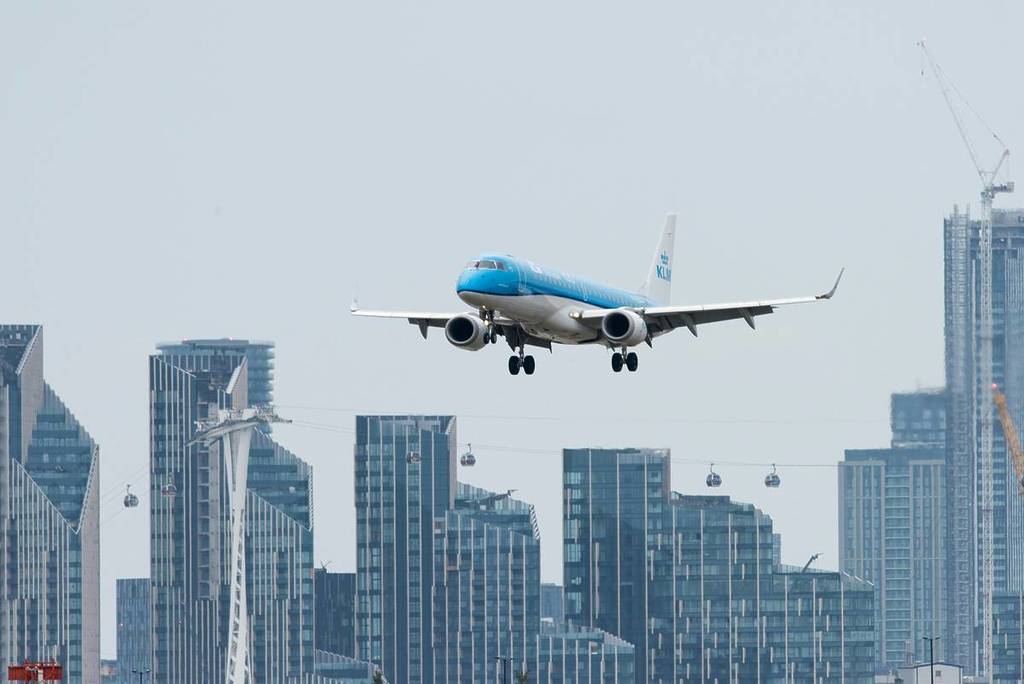

A growing number of airlines serving the UK are trimming schedules as higher jet fuel costs ripple through the aviation industry.
While the disruption is expected to affect only a small share of flights, it could still change summer travel plans for thousands of passengers.
Airlines cutting flights to the UK
The airlines reported as planning fewer flights to or from the UK include KLM, Air Canada, Asiana Airlines, Delta Airlines, Lufthansa and SAS.
By contrast, British Airways owner IAG, easyJet and Jet2Holidays have said they do not plan to alter schedules.
Some airlines are not cutting capacity but are instead increasing ticket prices or baggage charges.
Those reported to be raising prices include Air France-KLM, Indigo, Pakistan International Airlines, Thai Airways, Turkish Airlines-Sun Express and Virgin Atlantic.
Rising jet fuel prices linked to conflict in the Middle East are affecting airlines
The pressure comes from rising jet fuel prices linked to conflict in the Middle East and concerns over supply routes. Industry reports say airlines are trying to protect margins by reducing flights on less profitable routes, especially where they can still rebook passengers onto other services.
A BBC report says the biggest fare rises have been on long-haul routes via Asia, where airlines have had to adjust flight paths to avoid the Gulf.
It also notes that fuel costs roughly doubled during March and the first half of April.
What you can do if your flight has been cancelled
If your flight is cancelled, UK aviation rules say your airline must offer you either a refund or an alternative flight.
The Civil Aviation Authority also says airlines must provide care and assistance while you wait, including food and drink, communication help, and hotel accommodation if you are re-routed overnight.
If you are travelling soon, keep receipts if you have to pay for reasonable expenses yourself, because the airline may reimburse them later.
The CAA also says compensation may be available in some cases if the cancellation was within the airline’s control, but not for extraordinary circumstances such as severe weather or other events outside the airline’s responsibility.